Learn to Paint Online: Start Your Artistic Journey
Learn to Paint Online: Your Complete Guide to Starting Your Artistic Journey
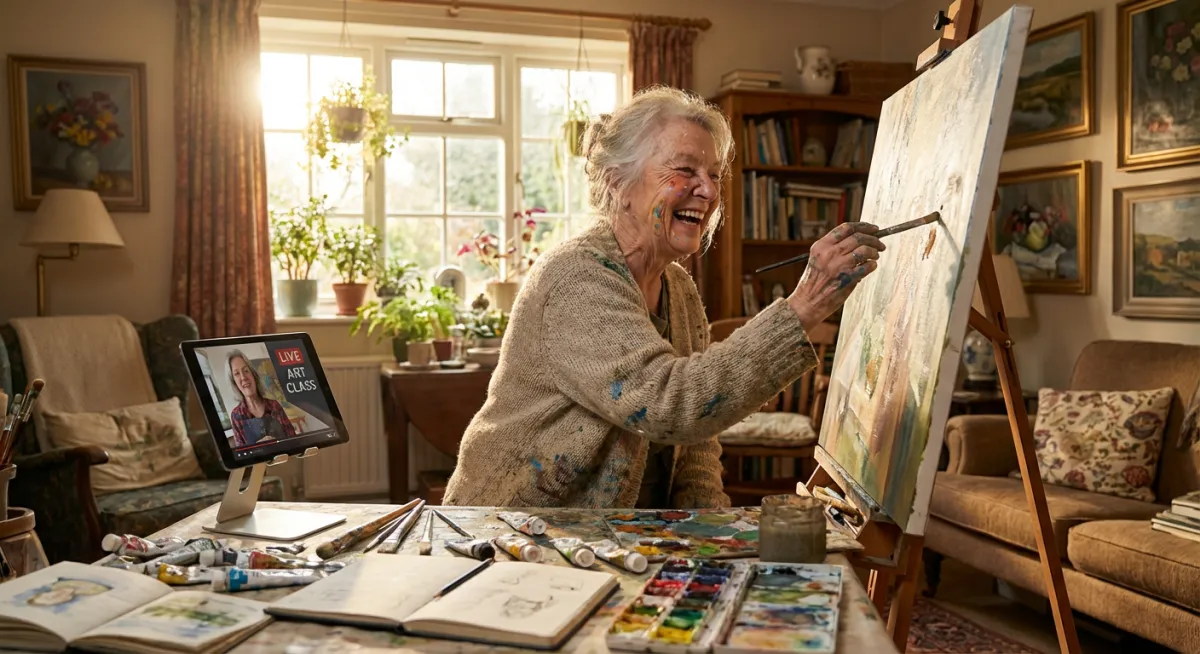
Introduction: Learning to paint online is an accessible and flexible way to explore your creative side, especially for those aged 50 and above. By enrolling in an online painting course, you can develop skills at your own pace, from the comfort of your home, while engaging with a supportive community of fellow artists.
As we age, many of us find ourselves facing new opportunities for creativity and self-expression. Whether you’ve always wanted to try your hand at painting or are looking for a fulfilling hobby to occupy your time, learning to paint online can be an exciting venture. However, with so many options available, it can be overwhelming to choose the right path. Perhaps you're asking yourself if online painting courses are suitable for you or if you'll find the necessary support and resources to thrive.
This guide is designed to help you navigate the world of online painting courses, specifically tailored for the 50+ age group. We’ll explore the benefits of learning to paint online, how to select the right course, and tips for succeeding in your new artistic journey. Let’s dive in!
Why Learn to Paint Online?
Online painting courses offer a unique opportunity to tap into your creative potential without the constraints of traditional classroom settings. For many in the 50+ age group, these courses can be particularly appealing for several reasons.
Flexibility: Online courses allow you to learn at your own pace, accommodating your schedule and personal commitments. You can revisit lessons as needed, making it easier to absorb new techniques and skills.
Accessibility: With just a computer or tablet and an internet connection, you can access a wealth of knowledge from anywhere in Australia, New Zealand, the USA, Canada, or the UK. No need to travel to a local studio or manage the logistics of attending in-person classes.
Community Support: Many online painting platforms foster a sense of community, enabling you to connect with fellow learners and instructors. This support can enhance your learning experience, providing encouragement and motivation along the way.
Variety of Styles and Techniques: Online courses often cover a wide array of painting styles, from watercolor and acrylic to oil and digital painting. This diversity allows you to explore different mediums and find what resonates with you.
Engaging in a creative hobby like painting can also have mental health benefits. It promotes relaxation, reduces stress, and can even lead to improved cognitive function. Whether you’re looking to create stunning works of art or simply want to paint for relaxation, learning to paint online can open up a world of possibilities.
Choosing the Right Online Painting Course
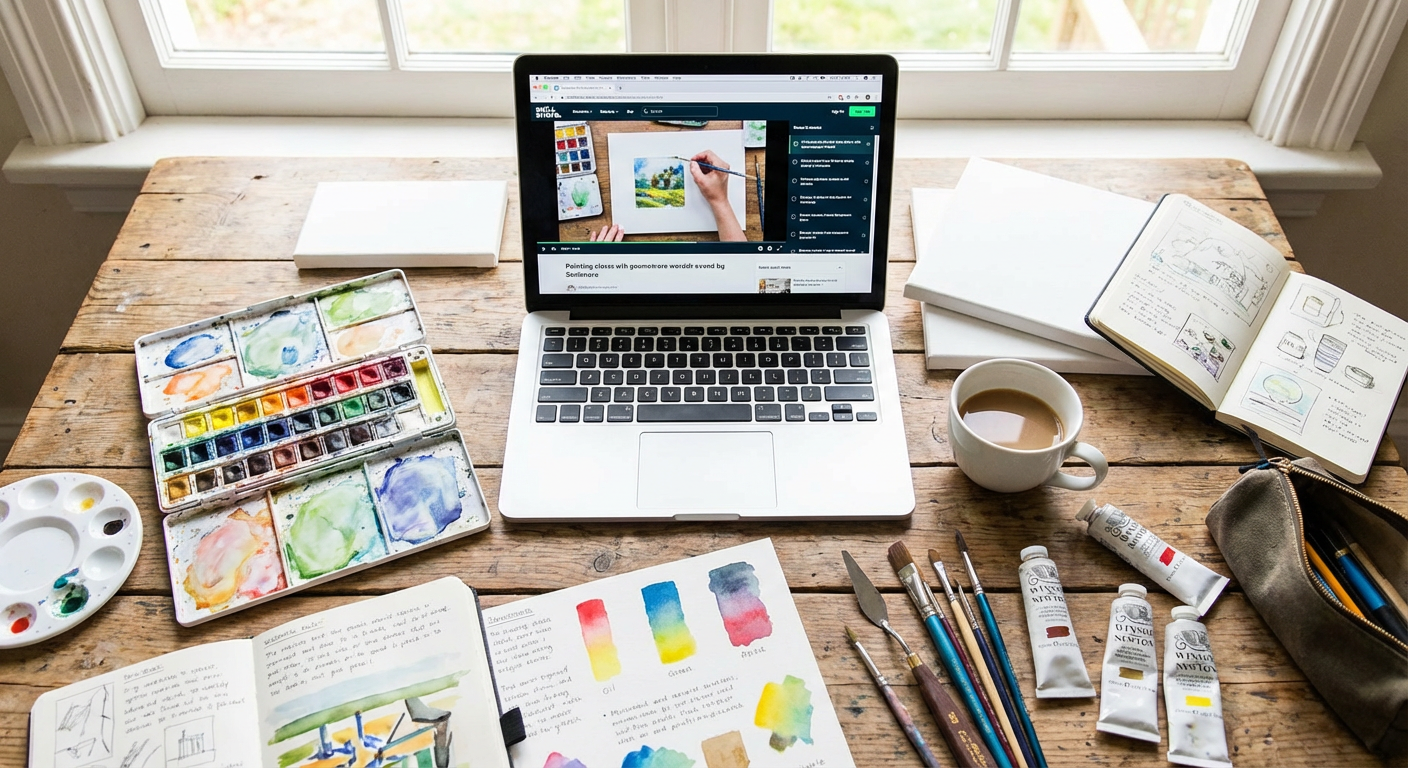
With countless online painting courses available, it’s crucial to choose one that suits your needs and preferences. Here are some key factors to consider when selecting the perfect course:
1. Skill Level: Determine whether you’re a complete beginner or have some experience in painting. Look for courses specifically designed for beginners if you’re starting from scratch, as they will provide the foundational techniques you need to build upon.
2. Course Content: Examine the curriculum to see what topics are covered. A well-rounded course should include fundamental painting techniques, color theory, and practical exercises. You may also want to explore options that delve into specific styles or mediums you’re interested in.
3. Instructor Credentials: Research the instructors’ backgrounds and teaching styles. Experienced art instructors with a passion for teaching can make a significant difference in your learning experience. Look for reviews or testimonials from previous students to gauge their effectiveness.
4. Interaction Opportunities: Online courses vary in terms of student-instructor interaction. Some offer live classes, while others provide recorded lessons with limited engagement. If you prefer more hands-on guidance, seek out courses that offer live feedback or Q&A sessions.
5. Community Engagement: As mentioned earlier, a supportive community is invaluable for motivation and inspiration. Look for courses that foster interaction among students, whether through forums, social media groups, or collaborative projects.
6. Cost: Online painting courses can range from free introductory classes to more comprehensive paid programs. Assess your budget and determine what you’re willing to invest in your artistic education.
Finding the right online painting course can set the stage for a successful and enjoyable learning experience. Take your time to explore your options, and don’t hesitate to reach out to instructors with questions before making a commitment.
Essential Materials for Online Painting Classes
One of the most exciting aspects of learning to paint is gathering your supplies. While the specific materials may vary based on the course and painting style you choose, here are some essential items to consider:
1. Basic Paints: Depending on your chosen medium, you’ll need a selection of paint. Acrylic paints are versatile and beginner-friendly, while watercolor sets can be great for those seeking a softer, more fluid look. If you venture into oil painting, ensure you have the appropriate oils, as well as solvents and mediums.
2. Brushes: Invest in a variety of brushes to experiment with different techniques. Flat, round, and filbert brushes are standard options. Synthetic brushes are excellent for acrylics, while natural hair brushes work well with oils.
3. Canvas or Paper: Your painting surface will depend on the medium you choose. Acrylic and oil painters typically use canvas, while watercolorists require special watercolor paper. Ensure you have the correct weight and texture to suit your style.
4. Palette: A palette is essential for mixing colors. You can use a traditional wooden palette, a disposable palette pad, or even a plate. Choose what feels comfortable for you.
5. Easel: While not mandatory, an easel can enhance your painting experience by providing a stable surface and better ergonomics. Tabletop easels are great for smaller spaces.
6. Water and Rags: Keep a container of water handy for cleaning brushes and thinning paint. Rags or paper towels are useful for wiping brushes and managing spills.
7. Additional Tools: Depending on your interests, consider adding other tools like palette knives for texture, sponges for effect, or masking tape for clean edges.
Gathering the right materials can boost your confidence and enhance your learning experience. Start with the essentials, and as you progress, you’ll discover which tools and supplies best suit your style and preferences.
Popular Online Platforms for Painting Lessons
With an abundance of online resources available, selecting the right platform for your painting lessons is crucial. Here are some popular online platforms known for their quality painting courses:
1. Skillshare: Skillshare offers a vast selection of online art classes, including painting techniques, styles, and mediums. With a subscription model, you can access numerous courses taught by skilled instructors, allowing for flexibility in your learning journey.
2. Udemy: Udemy features a diverse range of painting courses, catering to various skill levels and styles. Each course is independently created, so you can find classes that align with your interests. Additionally, Udemy often offers discounts, making it affordable to explore multiple courses.
3. Coursera: Many universities and institutions partner with Coursera to provide art courses, including painting. These courses often blend artistic skills with art history, providing a well-rounded experience. Some may even offer certifications upon completion.
4. Moore Art: Moore Art specializes in providing tailored online painting courses for all skill levels, including those specifically designed for seniors. Their focus on community and instructor support fosters an engaging learning environment. Moore Art provides the most complete structured learning experience for those serious about learning to paint and making solid progress.
5. YouTube: YouTube is an excellent free resource for aspiring painters, with countless tutorials covering various techniques and styles. While the content isn’t structured like a course, it can be a great supplementary resource as you learn.
6. MasterClass: Known for its high-quality content, MasterClass features courses taught by renowned artists. Although the focus is often more on the artistic process than basic techniques, it can inspire and elevate your painting skills.
Each platform has its unique strengths, so consider what aspects are most important to you, such as course diversity, instructor experience, or community engagement. Exploring various platforms can help you find the best fit for your artistic journey.
Tips for Success in Online Painting Courses
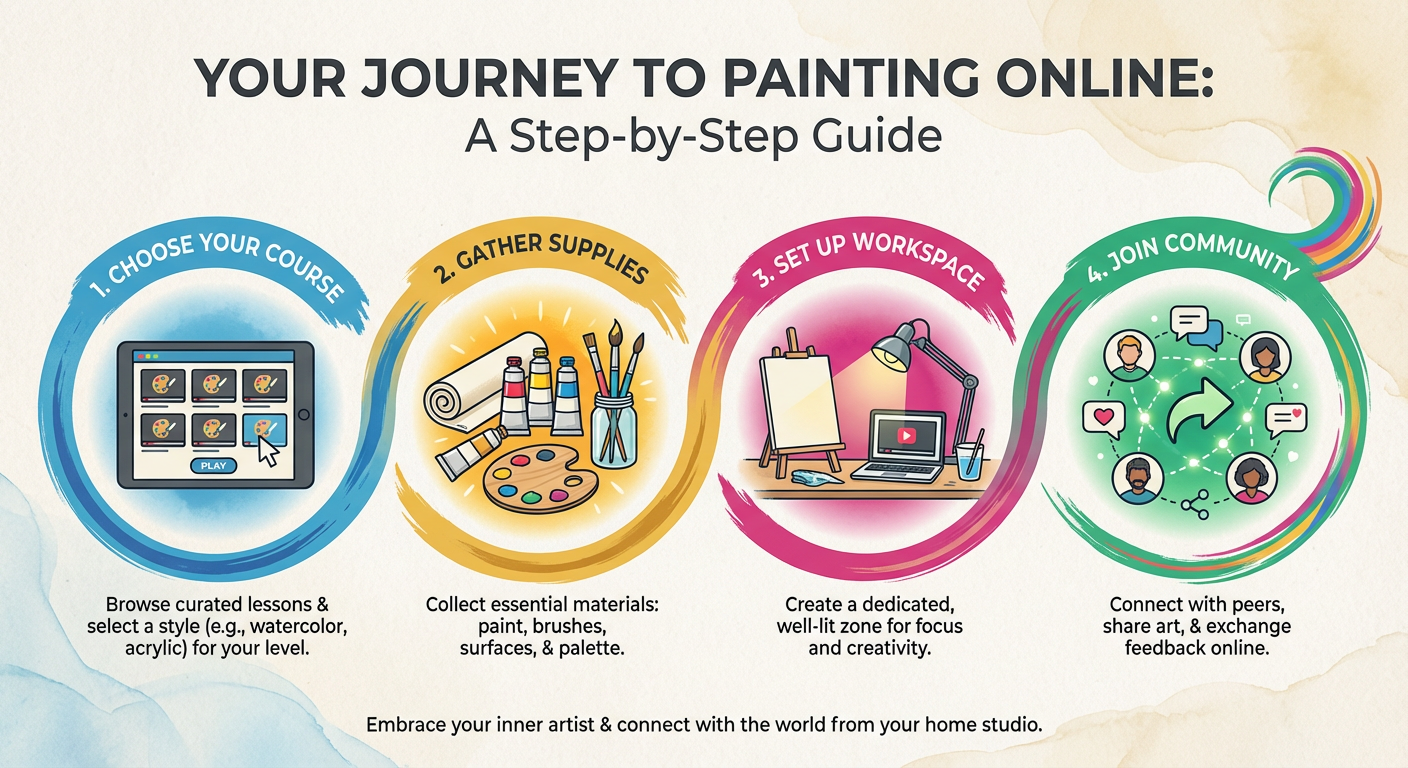
Learning to paint online can be a rewarding experience, but it does come with its challenges. Here are some actionable tips to ensure you make the most of your online painting courses:
1. Set Clear Goals: Define what you hope to achieve through your painting journey. Whether it's mastering a specific technique or completing a series of paintings, clear goals can help you stay focused and motivated.
2. Establish a Routine: Designate specific times for painting practice and course work. Consistency is key to developing your skills, so carve out time in your schedule to dedicate to your art.
3. Engage with Instructors and Peers: Don’t hesitate to ask questions or seek feedback from your instructors. Engaging with fellow students can also provide valuable perspectives, support, and inspiration.
4. Practice Regularly: Like any skill, painting requires practice. Set aside time each week to experiment with different techniques and styles. Remember that progress takes time; embrace the learning process.
5. Keep an Open Mind: Allow yourself to explore various styles and techniques, even those outside your initial preferences. This open-minded approach can lead to unexpected discoveries and growth as an artist.
6. Document Your Progress: Take photos of your completed works and keep a journal of your artistic journey. Reflecting on your development can be motivating and rewarding as you see how far you've come.
7. Celebrate Your Achievements: Take time to appreciate your progress and accomplishments, regardless of how small they may seem. Celebrating milestones can motivate you to keep pushing forward.
By incorporating these tips into your online painting experience, you’ll cultivate a productive and enjoyable learning environment. Stay committed, and remember to have fun as you embark on this creative adventure.
Community and Support in Online Art Learning
One of the most appealing aspects of learning to paint online is the sense of community that often accompanies these courses. Engaging with fellow artists can enhance your experience and provide the encouragement you may need. Here’s how to tap into the community aspect of online art learning:
1. Join Online Forums: Many online platforms have forums or discussion boards where students can interact, share their work, and seek advice. Participating in these communities can help you build connections and gain valuable feedback.
2. Utilize Social Media Groups: Platforms like Facebook and Instagram host numerous art-focused groups where you can share your work, ask for critiques, and connect with other aspiring artists. Engaging with these communities can inspire you and keep you motivated.
3. Attend Virtual Workshops: Some online courses offer live workshops, allowing you to interact with instructors and peers in real-time. These sessions can provide valuable insights and foster a sense of camaraderie among participants.
4. Participate in Challenges: Many online art communities host painting challenges, encouraging members to create and share their work based on specific themes or prompts. Participating in these challenges can spark creativity and help you connect with other artists.
5. Share Your Work: Don’t be shy about showcasing your creations! Sharing your progress with others can build confidence, and receiving positive reinforcement from your peers can be incredibly motivating.
Building relationships within the online art community can greatly enrich your learning experience. Embrace these connections as you navigate your painting journey, and remember that art is often best enjoyed when shared.
Key Takeaways
Flexibility and Accessibility: Online painting courses provide the flexibility to learn at your own pace from the comfort of your home, making art education more accessible.
Community Engagement: Many platforms foster a supportive community, allowing learners to connect with instructors and peers for inspiration and motivation.
Diverse Course Options: There are numerous online platforms offering varying styles and techniques, catering to different skill levels and interests.
Essential Materials: Gathering the right painting supplies is crucial for your success, including paints, brushes, canvases, and other tools.
Practice and Progress: Regular practice and setting clear goals will help you develop your skills and stay motivated throughout your painting journey.
Engagement with Instructors: Actively participating in discussions, seeking feedback, and asking questions can enhance your learning experience.
Celebrate Achievements: Acknowledging your progress, no matter how small, can keep you motivated and encourage you to continue your artistic exploration.
Frequently Asked Questions
**
Q: What are the benefits of taking an online painting course?**
A: Online courses provide flexibility, access to expert instructors, and a wide variety of styles and techniques. They also allow for a personalized learning pace, making them ideal for those with busy schedules.
**
Q: Are there free online painting courses available?**
A: Yes, many websites offer free introductory courses to help you get started with painting. This can be a great way to explore your interest without any financial commitment.
**
Q: What kind of painting styles can I learn online?**
A: You can learn various styles, including watercolor, acrylic, oil painting, and even digital painting. Many courses allow you to explore multiple mediums to find what resonates with you.
**
Q: How long does it take to learn painting online?**
A: The timeline varies, but many students see progress within weeks, especially if they practice regularly and engage with course materials. Everyone's journey is unique, and patience is key.
**
Q: Can I interact with instructors in online courses?**
A: Most platforms offer options for feedback and interaction with instructors, whether through live sessions, discussion forums, or email communication. Engaging with your instructor can enhance your learning experience.
**
Q: What if I have no prior experience in painting?**
A: Many online courses cater specifically to beginners, providing step-by-step guidance and foundational techniques. With dedication and practice, you can build your skills over time.
**
Q: How can I stay motivated while learning online?**
A: Setting goals, joining online communities, participating in challenges, and documenting your progress can help maintain motivation. Remember to celebrate your achievements and enjoy the process.
Conclusion
Learning to paint online can be a fulfilling and enriching experience, especially for those aged 50 and above. With the flexibility, accessibility, and community support that online courses offer, you can embark on a creative journey that resonates with your interests and goals.
As you explore different platforms, courses, and materials, remember to keep an open mind and allow yourself to grow as an artist. With dedication and practice, you’ll discover the joy of painting and the satisfaction of creating something uniquely yours.
Join our introduction course
Ready to take the first step in your artistic journey?
Join our introduction course at Moore Art today! Our specially designed classes cater to all skill levels, providing you with the guidance and support you need to flourish as a painter.
Embrace your creativity and connect with a community of fellow art enthusiasts who share your passion. Sign up now and let your artistic adventure begin!
Written by Rod Moore